World Court Rules Myanmar Committed Genocide Against the Rohingya, a First for the ICJ
In a 9-6 decision, the International Court of Justice found Myanmar responsible for genocide in northern Rakhine State and ordered reparations. Making Myanmar comply is the next fight.
THE HAGUE — The United Nations' highest court has ruled that Myanmar committed genocide against the Rohingya, the mostly Muslim minority driven from the country's west in 2017. It is the first time the International Court of Justice has found that a state itself committed genocide.
Reading the judgment on Thursday, November 19, court President Yuji Iwasawa said the judges had decided by nine votes to six that Myanmar committed genocide against the Rohingya in northern Rakhine State, breaching the 1948 Genocide Convention.
What the court found
The judges concluded that the only reasonable inference from the evidence of widespread atrocities by Myanmar's security forces was an intent to destroy a substantial part of the Rohingya group. They also found that Myanmar failed to prevent genocide by people acting alongside its forces, and failed to punish it.
The court ordered Myanmar to set up a programme of restitution and compensation, to allow the Rohingya a safe, voluntary and dignified return to the places they lived, and to report back to the court within two years on what it has done.
The closest the court had come before was in 2007, when it found that Serbia had failed to prevent the Srebrenica genocide but stopped short of holding the state responsible for committing it.
A case brought by The Gambia
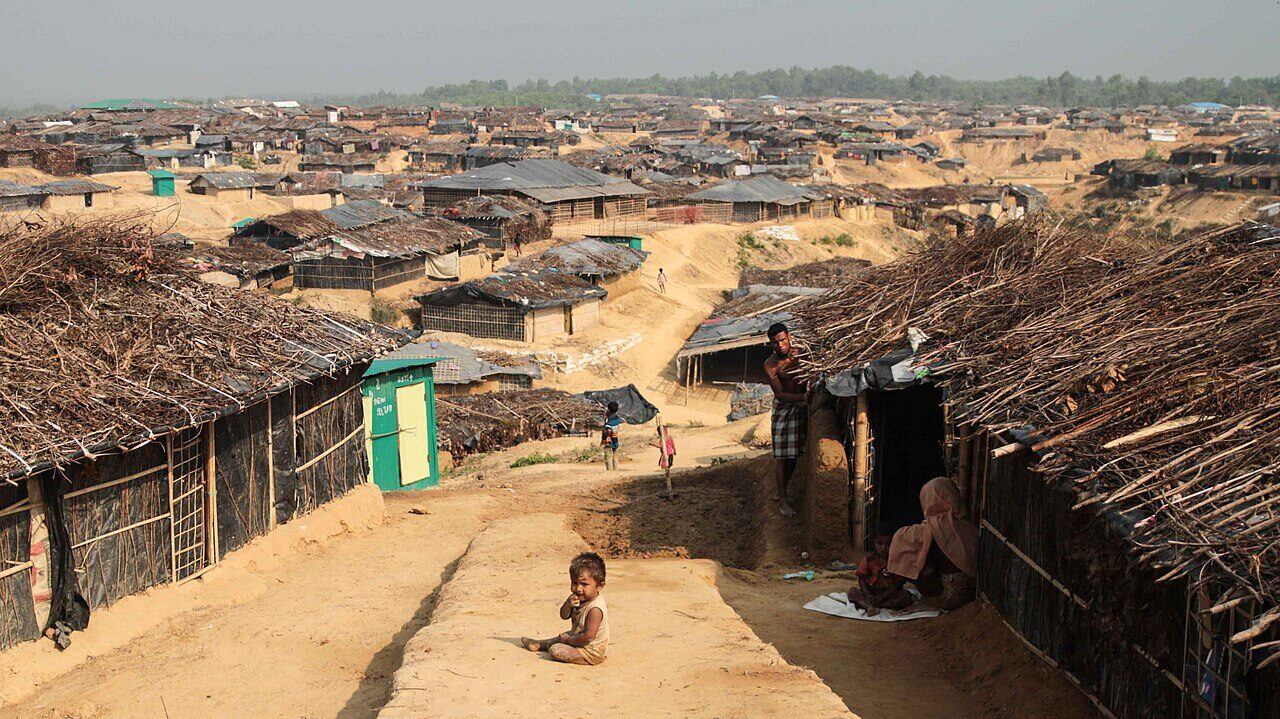
The Gambia, a small West African nation, filed the case in November 2019. In 2022 the court threw out all of Myanmar's objections and let it proceed. The 2017 military operations in Rakhine sent more than 700,000 Rohingya fleeing into Bangladesh, where many still live in the camps around Cox's Bazar.
In those camps, refugees gathered around screens to watch the ruling being translated, and community leaders called it a victory. Activists were more guarded, saying the judgment will only matter if governments act on it.
Myanmar's answer
A spokesperson for Myanmar's military-backed government called the ruling unfair and pointed out that it was not unanimous. Myanmar has always denied genocide, saying its forces were fighting insurgents.
The court has no police of its own. Human rights groups are urging governments to impose sanctions, and under the UN Charter a state can ask the Security Council to act when a party ignores an ICJ judgment.
The court has ruled, but it cannot enforce. Should governments sanction Myanmar's military until it complies?
Tell the World Desk: info@worldnewswirepress.com or comment on Instagram and Facebook.
Sources
- JURIST: ICJ rules Myanmar committed genocide against Rohingya in landmark judgment
- CNN: In historic first, UN top court rules a country committed genocide
- Al Jazeera: UN's top court finds Myanmar guilty of genocide against Rohingya
- Al Jazeera: World reacts to ICJ finding Myanmar guilty of genocide
- PBS NewsHour: Rights groups urge sanctions after ICJ finds Myanmar guilty of genocide
- Human Rights Watch: World Court Finds Myanmar Committed Rohingya Genocide
- Just Security: On the ICJ's Judgment in the Myanmar Genocide Case
Reported and written by the World Desk from the sources listed above; no sentences are copied from other outlets. Approved for publication by Terry Bryant, Editor (directed Nov 21, 2026). Spotted an error? See our corrections policy.